Understanding the evolution from traditional to smart baby bottles is crucial.
This guide provides an in-depth analysis of the market, regulatory landscapes, manufacturing hubs, and future trends to empower your China factory sourcing decisions.
Contents:
- Right time for smart baby bottles;
- Key criteria for selecting a smart baby bottle;
- How to source smart baby bottles from China;
- Future market opportunities and challenges for smart baby bottles;
If you want to know more smart baby care products please feel free to let seenwills team knows.
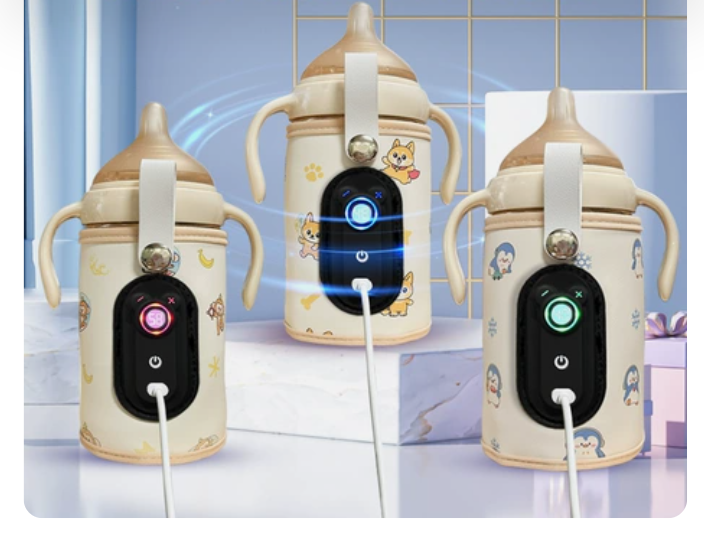
1.The Rise of Smart Baby Bottles: Drivers and Enablers
Why now? The emergence of smart bottles is a convergence of three factors:
- Parental Anxiety & Data-Driven Parenting: Modern parents (Millennials/Gen Z) seek quantifiable data on their baby’s health. They want to know exactly how much milk was consumed, at what temperature, and over what duration to track growth and digestion issues.
- Technological Maturity: Miniaturization of sensors (flow meters, temperature probes) and low-energy Bluetooth (BLE) allows electronics to be embedded without making the bottle bulky or unsafe. Battery technology now supports reasonable usage cycles.
- The "IoT Nursery" Ecosystem: Smart bottles no longer exist in isolation. They integrate with apps that track sleep, diapers, and growth, creating a holistic "Baby OS" that locks users into a brand ecosystem.
Core Features of Smart Bottles:
- Real-time Temperature Monitoring: Alerts if milk is too hot.
- Intake Tracking: Automatically logs volume consumed to the cloud.
- Feeding Reminders: Notifies parents when the next feed is due based on historical data.
- Mixing Assistance: Some advanced concepts include built-in stirring mechanisms.
2. Core Techniques for Selecting a Smart Baby Bottle
For B2B buyers evaluating suppliers, focus on these technical differentiators:
- Sensor Accuracy & Calibration: How precise is the flow meter? Does it account for thick formula vs. thin breast milk? Inaccurate data destroys trust.
- Waterproofing & Sterilization: This is the #1 failure point. The electronic module must be IPX7+ rated and withstand repeated steam/UV sterilization without degradation.
- App UX & Data Privacy: Is the app intuitive? Does it comply with GDPR/COPPA regarding children’s data? A buggy app renders the hardware useless.
- Battery Safety & Life: Lithium batteries in baby products require strict safety protocols (UN38.3 certification). How long does a charge last? Is it wireless charging?
- Material Synergy: The electronic add-on should not compromise the food-grade safety of the bottle body (still needs PPSU/Glass/Silicone).
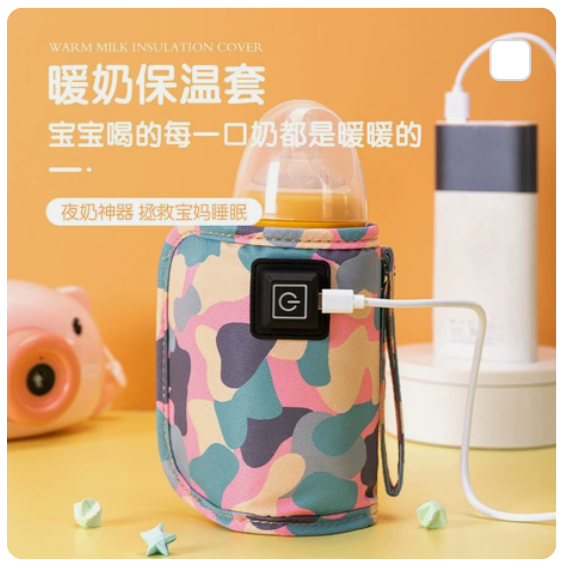
3. Sourcing Smart Baby Bottles from China: Critical Checklist
When importing for online (Amazon/DTC) or offline retail:
- Dual-Certification Verification: Ensure the factory has both food safety certs (FDA/LFGB) and electronic safety certs (CE-FCC, RoHS, REACH, UN38.3 for batteries). Many traditional bottle factories lack the electronics compliance expertise.
- IP Rating Validation: Demand test reports for waterproofing. Do not rely on verbal claims. Request a "sterilization cycle test" report (e.g., survived 500 steam cycles).
- Supply Chain Transparency: Verify where the chips and sensors are sourced. Geopolitical tensions can disrupt semiconductor supplies.
- After-Sales & Firmware: Who handles OTA (Over-the-Air) updates if a bug is found? Ensure the supplier has a software team, not just a hardware assembly line.
- Liability Insurance: Given the sensitive nature of the product (infant consumption + electronics), ensure the supplier carries substantial product liability insurance.
4. Future Market Space and Challenges
Market Opportunities:
- Premiumization: Parents are willing to pay a 3x-5x premium for data and peace of mind. The shift from $10 bottles to $30-$80 smart systems is accelerating.
- Subscription Models: Potential for recurring revenue via app subscriptions (advanced analytics) or auto-delivery of compatible nipples/accessories.
- Integration with Healthcare: Future potential for data sharing with pediatricians to monitor infant health trends remotely.
Challenges:
- Complexity vs. Usability: If washing the bottle takes 10 minutes because of electronic parts, parents will revert to dumb bottles. Simplicity is key.
- Cost Barrier: High unit costs may limit mass adoption in developing markets.
- Regulatory Gray Areas: As "medical-adjacent" devices, smart bottles may face stricter scrutiny from bodies like the FDA in the future regarding data accuracy claims.
- E-Waste: Environmental concerns regarding disposable batteries or non-recyclable electronic modules in single-use-ish products.
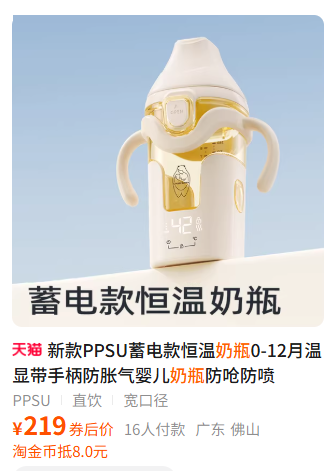
Advices
The transition to smart baby bottles represents a significant value-add opportunity for B2B buyers. However, it requires a shift from sourcing simple commodity plastics to managing complex electromechanical assemblies. Success lies in partnering with Chinese manufacturers who possess dual-domain expertise in both food-safe materials and consumer electronics, ensuring rigorous compliance across all target markets.
Additionally, if you want to buy or make normal baby bottles you can visit Yiwu International Wholesale Market, there are so many choices with factories' direct outlets.